
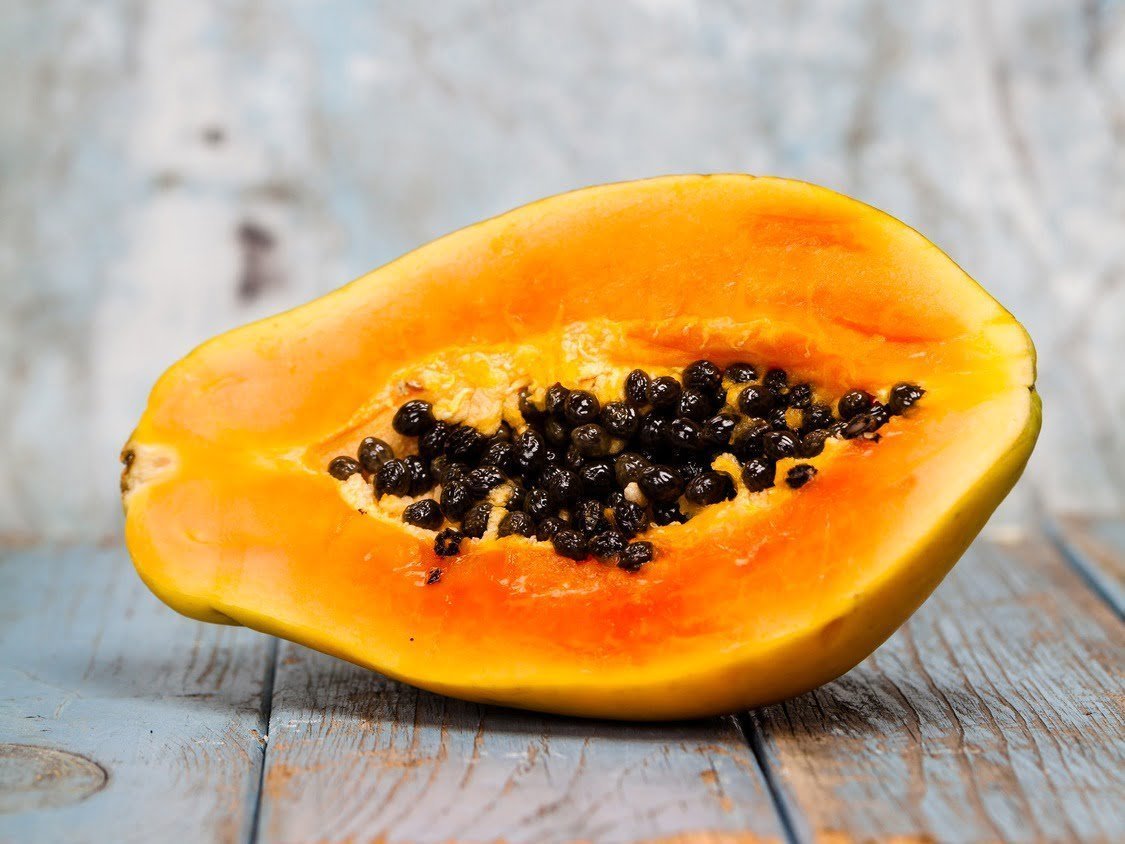
The Health Benefits of Papaya
With a long history of being utilised for traditional medicine, and being praised for it’s benefits to digestive health, papaya is a rich source of powerful antioxidants, enzymes and vitamins. The papaya is a nutraceutical plant with a wide range of pharmacological activities. Also known as Carica papaya, there are two main papaya varieties- Mexican and Hawaiian- within the genus Carica of the family Caricaceae.
Is papaya good for a gluten free diet? Naturally gluten free, the benefits of papaya exceed that of just being a versatile meal ingredient, to it’s enzymes now being a key supplement used in gluten free diet management.
During the past few decades, a considerable amount of research has been done to illuminate the biological activity and medicinal applications of papaya. The table below summarises the chemical composition of papaya.
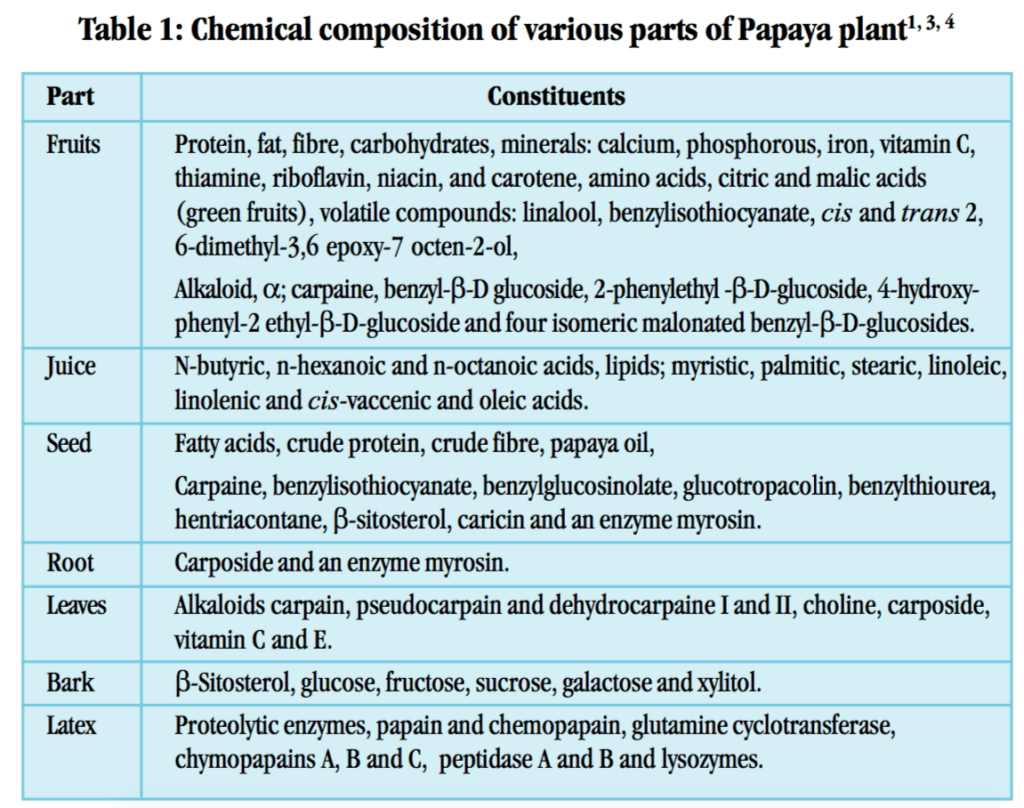
The seeds and leaves of papaya have a number of benefits, including the normalisation of clotting, the increase of white blood cell and platelet production, antibacterial properties and protection of the kidneys — papaya seeds can even be ground up and used instead of black pepper!
The fruit of the papaya itself is a rich source of vitamins and nutrients such as provitamin A, carotenoids, vitamin C, vitamin B and lycopene, and contains enzymes that facilitate digestive regularity. The latex from unripe papaya fruit contains four cysteine endopeptidases, or enzymes- papain, chymopapain, glycylendopeptidase and caricain.
Recent research has revealed just how powerful these enzymes are; with caricain being utilised as a component of GluteGuard – a first of it’s kind supplement for the management of a gluten free diet.
Is papaya good for a gluten free diet?
Being a gluten free fruit, papaya is safe for the gluten free diet – but there’s more gluten free benefits than just that! GluteGuard utilises the wonders of the papaya to help detoxify inadvertently ingested gluten peptides that find their way to the gut. This unique, patented enzyme action involves the highly specific enzyme Caricain, found in the skin of the unripe Carica Papaya fruit. The enzyme, combined with the right technology to protect it from the acidity of the stomach, is delivered to the small intestine, allowing it to have a protective effect during the digestive process.
Taking all of this into account, it is easy to see why papaya is not only an excellent addition to your diet, but also a valuable contributor to pharmaceutical and enzyme supplement products – especially for those gluten free!
Find gluten free recipes using papaya:
References:
- Yogiraj, V, Goyal, P, Singh Chauhan, C, Goyal, A, Vyas, Bhupendra 2014, ‘Carica papaya Linn: An Overview’, International Journal of Herbal Medicine, 2(5), pp.1-8.
- Krishna, K, Paridhavi, M, Patel, J 2008, ‘Review on nutritional, medicinal and pharmaceutical properties of Papaya (carica papaya Linn.)’, Natural Product Radiance, 7(4), pp.364-373.
- Aravind, G, Bhowmik, D, Duraviel, S, Harish, G 2013, ‘Traditional and Medicinal Uses of Carica Papaya, Journal of Medicinal Plants Studies, 1(1), pp.7-15.
Contributor: Georgie, Glutagen.